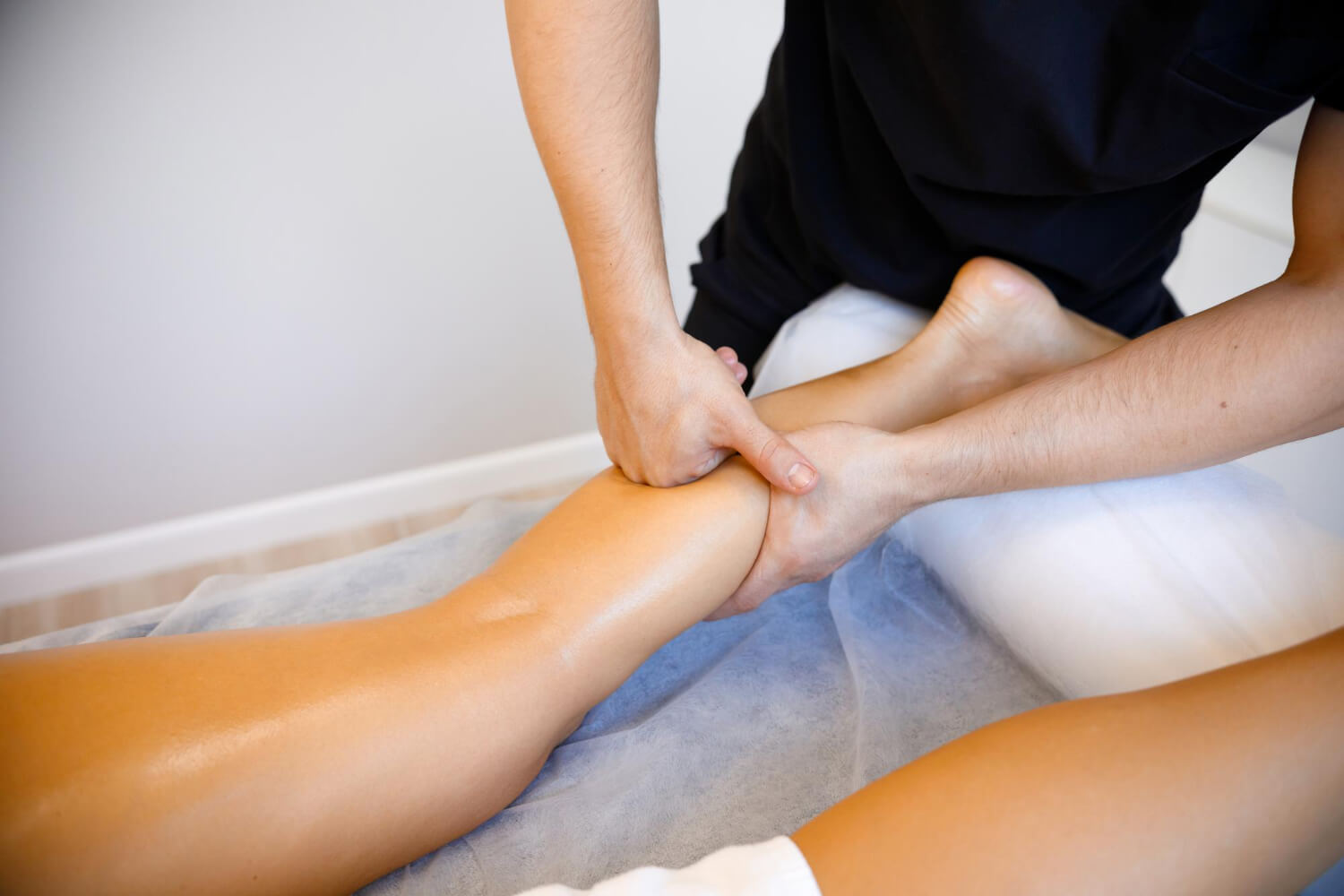


Accidents can take a toll that doesn’t show up right away. You might walk away feeling fine, but days or weeks later, something feels off. That stiff neck, that ache in your shoulder, or that limp you didn’t notice before, it all adds up.
Many people turn to physiotherapy early on, hoping it will help them bounce back. And it’s a good move. But just showing up to a few appointments isn’t always enough. If we’re not paying attention to how our body responds or if we’re skipping steps in recovery, physio isn’t doing all it could be doing for us. At Ottawa Health Group, physiotherapy is offered at the Downtown Ottawa clinic and is used to help people recover from injuries related to motor vehicle accidents, sports, work, and long-term pain.
Knowing how to use physiotherapy in Ottawa in ways that support recovery is what really matters. It’s about progress, not just pain relief. And if you’ve been through any type of accident lately, now is a good time to check in with what your body is telling you.
What Physiotherapy Looks Like After an Accident
When something unexpected happens, like slipping on icy steps, bumping your head in a car, or twisting your back while lifting, your body reacts fast. Sometimes it stiffens up to protect you. Other times, you feel fine at first, but soreness creeps in later.
Early physiotherapy often focuses on helping your body move safely again. That might include gentle stretches, small movements, or posture tips. We won’t get into the treatment itself, but the goal is usually to help you trust your body again and give it support to heal.
One important thing to know is that physiotherapy after an accident isn’t just about the part that hurts the most. Sometimes, the pain shows up somewhere else entirely. Your back might ache because your knee is stiff. Or your neck feels tight because you’re holding your body differently. That’s one reason why whole-body thinking matters during recovery.
Common Mistakes People Make with Physiotherapy
Even when people start care right away, it’s easy to drift off course. Life is busy and healing can feel slow. We’ve seen some patterns repeat again and again.
Here are a few common missteps to watch for:
- Heading back to work or sports before your balance or strength is where it needs to be
- Skipping follow-up visits once the pain starts to fade
- Ignoring gentle movement or stretch routines suggested between sessions
- Assuming that zero pain means zero problem
It’s okay to feel frustrated or eager to get back to normal. But speeding past the slower parts of recovery can bring back that pain, or cause something new to show up later.
Tuning In to How You Feel as You Heal
Listening to your body is one of the most helpful things you can do. Some days you might feel like you took three steps forward. Other days might feel like two steps back.
Try keeping track of what feels different from week to week. Are you moving better when you get out of bed? Does your neck handle a longer walk than before? Are certain aches quieter, while others pop up?
Everyone heals at their own pace. What matters is not how fast you go, but how consistent you stay. When progress feels slow, it doesn’t mean you’re not moving in the right direction.
At times, spotting improvement can be tough. Signing up for physio is a first step, but we still need to check in with how it’s helping. Look for these changes:
- Tasks that used to feel tiring now feel easier
- A return to hobbies, even in shorter bursts
- Clearer body awareness, noticing when you’re stiff, tired, or compensating
All of that counts as progress, even if it’s quiet and not always obvious right away.
Finding Support That Matches Your Needs
Not all injuries look the same, and not all help is a perfect fit from day one. That’s why finding care that adjusts as you heal is so helpful.
Clinics that offer physiotherapy in Ottawa often work with different people, whether it’s someone healing from a car accident, a workplace injury, or a rough fall. And when care is shaped around how your body changes, you’re more likely to keep showing up and staying involved. At Ottawa Health Group, physiotherapists can also work alongside chiropractors, massage therapists, and other providers so your plan can draw on different types of support when it is helpful.
It helps to ask questions when something isn’t clicking. If a certain stretch feels too hard, if your balance feels off, or if you’re unsure what’s next, that’s not something to power through. It’s worth saying something.
Recovery should feel like a two-way conversation. Plans can shift. Focus can change. You’re not locked into a single routine, especially if your body is giving signs it needs something different.
Moving Forward with More Confidence
Using physiotherapy after an accident isn’t just something you check off a list. It’s something you take with you into everyday life. Each small win builds trust in your body again. That’s how things begin to feel less shaky, less painful, and more manageable.
It’s not always quick and it won’t always be clear what comes next. But if you keep an eye on the little changes and stay connected to your recovery, you’ll start noticing more than just less pain. You’ll notice strength building and movement returning.
That’s where confidence starts. Not in doing everything perfectly, but in making choices that gently guide your body back toward balance.
Notice your body recovering or struggling after an accident and know that we are here to help you stay on track with caring support that adapts to your pace and goals. Our approach to physiotherapy in Ottawa focuses on movement that works for everyday life as we examine how each part of your body affects the rest and guide you through adjustments that make daily routines easier. At Ottawa Health Group, we believe progress comes from steady care that fits the way you live so contact us to schedule a visit and share what you’re experiencing.