

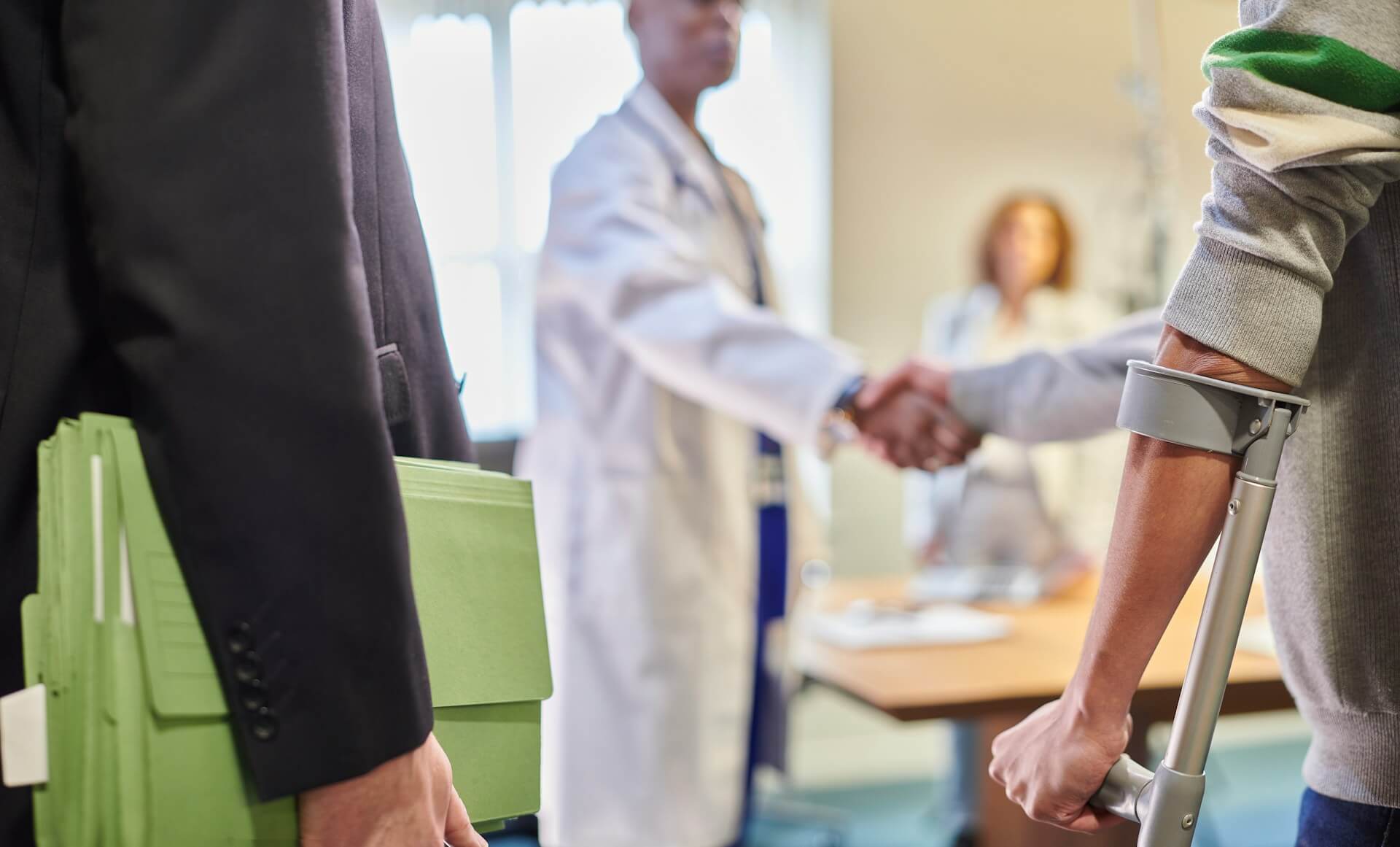
Recovering from a car accident isn’t always as quick or simple as people expect. Sometimes it takes a while for the body to get back to how it felt before, and that’s okay. Most of us feel pressure to just “bounce back,” especially when pain isn’t always visible to others. But real recovery takes time.
The truth is, rushing through recovery can lead to more frustration later on. With something as important as healing after a crash, slow and steady really does win. Support from auto accident injury treatment can help ease that process without pushing the body too fast. Everyone heals in their own way, at their own pace, and the goal should be to feel stronger and steadier, not just to feel rushed into getting back to normal.
Listen to Your Body After the Accident
Right after a car accident, it’s common to think everything is fine. Adrenaline masks discomfort, and it’s easy to brush off soreness. But within hours or even days, signs of injury may start to show up. A stiff neck, sore back, or aching hips might not appear right away.
It’s important not to ignore these signals. They are the body’s way of asking for rest. Sometimes people push through pain, thinking it will go away faster. That can backfire. Moving too much, too soon, might cause a setback that feels worse than the original pain.
The early days after an accident matter. They set the tone for recovery. We always remind people to:
• Notice how the body feels before and after activity
• Avoid forcing movement that doesn’t feel right
• Rest when tired, even if it feels “too early” to slow down
Tuning in helps prevent bigger problems later on. A little care early on goes a long way.
Why Rest and Routine Matter
After a crash, people sometimes swing between two extremes. Either they try to keep going like nothing happened, or they end up doing nothing out of fear it will make things worse. Both can slow healing.
Building a gentle routine can make a big difference. Short walks or light stretches can ease stiffness and support circulation. But pacing is everything. Overdoing it rarely helps.
At the same time, staying in bed all day for weeks does not support recovery either. Muscles weaken quickly with too much rest, which can add pressure to the joints and delay progress. What matters more is finding a rhythm that works.
A steady routine might include:
• Gentle morning movement to wake up the body
• Frequent breaks during the day to avoid being stuck in one position
• Stretching or walking in short bursts, rather than long sessions
With colder months like January rolling in, people tend to stay inside more. That makes movement harder, but it’s still just as important. Creating small pockets of movement, paired with enough rest, helps the body recalibrate naturally.
What Slower Recovery Really Looks Like
People often expect healing to follow a straight line. But that’s rarely how it works. Some days feel great, while others feel harder without much reason. That does not mean something’s wrong. It just means the body is still working things out.
The idea that recovery must happen quickly does not hold up in real life. Sometimes it takes weeks or months to feel strong again. That pace depends on the type of injury, the body’s condition before the accident, and even things like sleep and mental stress.
Here’s what slower recovery might actually involve:
• Needing more rest than usual, even weeks after the crash
• Finding that household chores or work tasks take more energy
• Realizing your body does not bounce back as quickly from long walks or busy days
These things do not mean you are falling behind. They are part of the process. Accepting the ups and downs can help keep stress low, which also supports healing. Progress may come in small steps, and that is perfectly fine.
When to Look for Extra Support
It’s normal to feel sore or tired after an accident, but some signs mean it’s time to ask for help. If discomfort lingers beyond a few weeks or worsens instead of easing off, it’s worth checking in with someone trained to help people recover safely.
Professional support for auto accident injury treatment can be a way to move forward without guessing. It is not about “fixing” things overnight. It is about making sure healing does not stall or become harder by leaving issues unaddressed. At Ottawa Health Group, care for people with injuries from motor vehicle accidents can include chiropractic care, physiotherapy, massage therapy, and other services in one place, so treatment can match what your body needs at different stages of recovery.
Get extra guidance when:
• Pain, stiffness, or swelling lasts longer than expected
• Moving around becomes harder instead of easier
• The body starts to feel unbalanced or unsteady
Professionals can work with whatever pace you are already moving at. The goal isn’t to speed things up, but to make recovery steadier and safer. Many people come in with motor vehicle accident injuries and are supported with plans that focus on easing pain, improving mobility, and helping them return to everyday activities over time.
Steady Progress Is Still Progress
Healing after a car accident isn’t about crossing a finish line. It is often about adjusting to how the body feels, respecting its limits, and rebuilding in a calm, steady way. That kind of recovery doesn’t always look exciting, but it can be more reliable than a rushed approach.
By moving slowly and checking in with yourself, progress becomes something you can actually feel, not just something to chase. Protecting your long-term comfort means taking time now to move carefully, rest regularly, and notice what your body needs.
Big gains do not always show up right away, but small efforts add up. With consistency, patience, and the right kind of support along the way, recovery becomes less of a struggle and more of a return to balance.
When recovery from a car accident feels slower than expected, the small things, like lasting soreness or stiff joints, can add up. Staying on track often means knowing when it’s time to check in for added support. Our approach to care considers every part of the healing process, including how the body responds over the long term. If you’re dealing with ongoing discomfort, our auto accident injury treatment can offer steady help to match your pace. Contact Ottawa Health Group to talk with us about what recovery might look like for you.