

Foot and ankle pain can show up in so many ways. Maybe your heel hurts after a walk, or your ankle feels sore for no clear reason. It’s easy to chalk it up to shoes or a quick twist, but sometimes the answer runs deeper. How we walk every day can have a much bigger effect than we tend to think.
Your gait, which means your walking pattern, could be the reason pain keeps coming back. Every step creates force in the body, and when things are even a little off, small problems can add up. Finding out whether your foot or ankle issues are connected to how you move is a key part of any thoughtful foot and ankle pain treatment. By paying closer attention to what your body does with every step, you might catch a pattern that leads to less pain over time.
How Walking Patterns Affect Your Joints
The way your foot lands can change everything. A flat step, stiff heel, or rolled arch might not seem like much, but it shifts pressure where it shouldn’t go. That force doesn’t stop at your foot either. Your feet and ankles are complex mechanical structures that need to work together properly for each step to feel natural.
It can work its way upward, affecting joints like your knees, hips, and even your lower back. What starts as mild foot pain in the morning might later become soreness in other spots, all without a clear cause.
When one side of your body works harder than the other, the imbalance adds wear and tear. Examples of this include:
- Your left foot hitting heavier than the right
- One leg turning out while the other stays straight
- Ankles that roll more on one side than the other
These little things can put uneven strain on muscles and joints, leading to discomfort that doesn’t go away as easily as we’d like. With everyday tasks like walking to the store or chasing after kids, these habits can become more noticeable, and harder on your body.
Signs Your Gait Might Be Causing the Problem
If you’ve been dealing with foot or ankle pain and don’t know where it’s coming from, take a closer look at your day-to-day movement. There are a few common red flags that may suggest your gait is part of the issue.
- Your shoes wear down faster on one side
- You trip or feel off balance on level surfaces
- Pain shows up after standing or walking for a long time, even in supportive shoes
Shoes can reveal a lot. Look at the soles, if one heel is smooth and the other still has grip, that uneven wear could tie back to your gait.
Patterns can show up during regular activities. Maybe you notice that walking across a large parking lot starts to hurt halfway through, or your feet ache every time you spend the afternoon on your feet. These types of signs often point to something in your movement style that’s putting in the wrong kind of effort.
How Gait Changes Over Time Without You Noticing
Most people don’t realise their walking style has changed until pain or awkwardness sets in. These shifts rarely happen overnight. Instead, they grow slowly as your body adapts to different demands.
A past injury, even one you thought had healed, can still affect how you move. Your body might compensate by leaning to one side or stepping lighter on one foot. That kind of change can become permanent without you even noticing.
Other times, life changes bring new habits. Maybe you start a job that involves more time on your feet or walking outside more often now that spring has arrived. Uneven ground, puddles, or soft lawns can trigger small changes without warning.
As people adjust, the pain doesn’t always show up in the expected place. For example, soreness in the ankle might reflect something off with your hips or even your upper body posture.
Why Professional Movement Assessments Can Help
It might be hard to catch what’s going on just by guessing. Even with good awareness of your walking pattern, some movements are too subtle to spot without help.
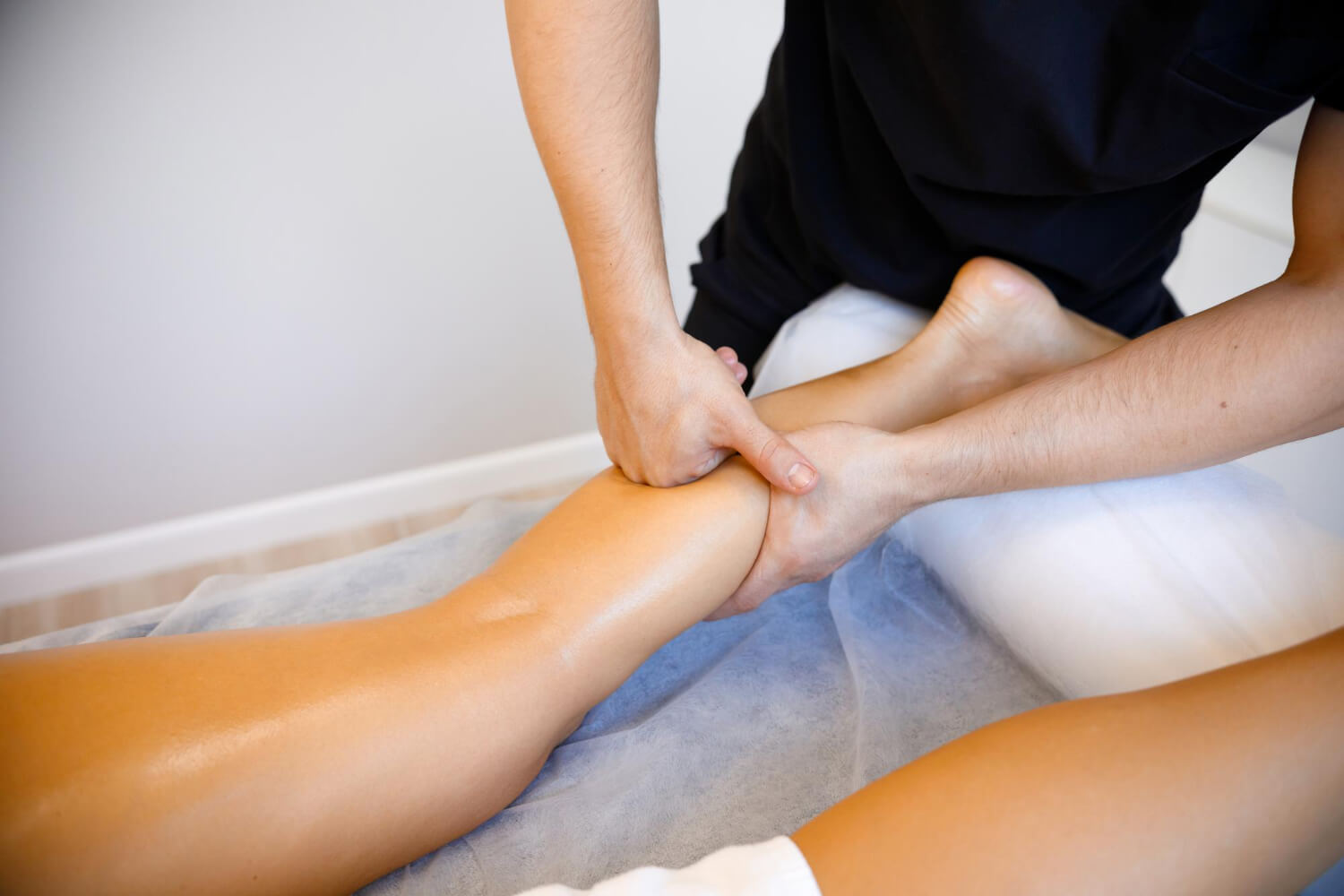
That’s where a professional eye makes a real difference. They know how to spot the signs your foot isn’t moving in line with the rest of your body. They can also watch how your knees and hips respond under motion, giving you a fuller picture of what’s going on. At Ottawa Health Group, chiropractors, massage therapists, and physiotherapists at both the Downtown Ottawa and Kanata clinics assess foot and ankle pain and develop personalized plans that may include hands-on manual therapy, exercises, stretching, and balance work to restore joint mobility, improve stability, and strengthen supporting muscles.
Bringing in this kind of support early can keep small problems from growing into bigger ones. Common approaches can include guidance on how to build strength in certain areas or ways to train your body to move differently. Trying to figure it out alone might lead to more frustration, especially if soreness returns again and again.
Feel Steadier with Each Step
Not all foot or ankle pain starts with a big fall or sudden injury. Walking posture and weight placement can lead to aches that seem to come out of nowhere. When those problems connect to how we step, they aren’t always easy to catch without help.
Paying attention to how your feet and body feel with everyday routines, like getting the mail or walking in the neighbourhood, can give you helpful clues. Tracking when pain shows up and what movements make it worse can build awareness around what your body needs.
Spring often brings more steps, whether you’re tidying the yard or enjoying a weekend walk. Catching signs early and paying closer attention to how you move can help make those walks feel easier, steadier, and more enjoyable.
When steps feel uneven or discomfort returns, it may be time to explore the causes behind the strain. Small changes in walking habits can lead to persistent soreness in the feet and ankles, and a full-body assessment often reveals patterns your body has developed over time. To help you understand what’s going on and guide you toward relief, learn more about our approach to foot and ankle pain treatment and contact Ottawa Health Group if you notice any of these signs.