

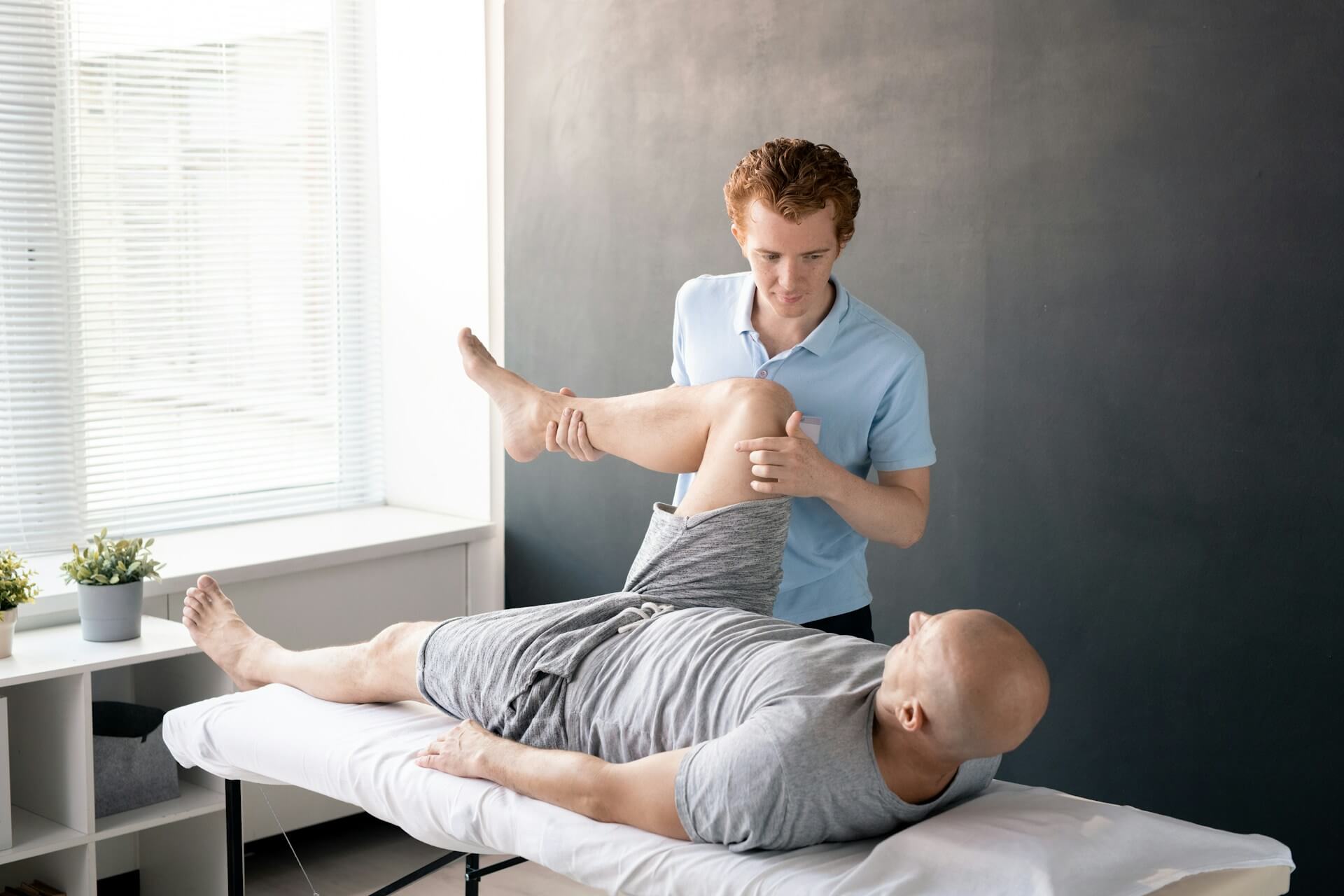
Recovering from surgery is never a simple checkmark on a calendar. Bodies heal at their own pace, and sometimes it’s hard to tell if things are moving in the right direction. That’s where post surgical rehabilitation often comes into play. It helps support your body during recovery so you can regain strength, movement, and day-to-day comfort. At Ottawa Health Group, physiotherapy helps patients recover from surgery or injury by focusing on pain relief, restoring mobility, and rebuilding strength through safe, evidence-based care.
We understand how frustrating it can feel when healing doesn’t line up with your expectations. Maybe you thought you’d be doing stairs by now, or picking up your grandkids again. Knowing what proper support looks like can help you feel more in control and less unsure about what comes next.
Signs Your Recovery Might Be Off Track
Even when you’re doing all the right things, some signs can hint that your body might need more help as it heals. If recovery feels slower or harder than expected, you’re not alone. Here are some signs to watch for:
• You’re still having trouble with simple movements, like standing up or walking around the house, weeks after the procedure
• There’s continued discomfort, stiffness, or pressure in the area where the surgery took place
• You feel off balance or unsure when trying to move the part of your body that was operated on
These things don’t mean something’s wrong for sure, but they can be clues to bring up with the people helping guide your recovery. The goal isn’t to rush, but to keep things moving forward in a steady, safe way.
What a Helpful Rehab Plan Usually Includes
Not all recovery plans look alike, and that’s okay. What matters is that your plan suits you and your body. A helpful rehab plan should feel like it’s tuned in to your progress and ready to shift if something isn’t quite fitting.
A strong plan often mixes these three pieces:
• Support from trained health professionals who adjust your sessions based on how you’re healing
• Exercises that match your stage of recovery, focusing on control, comfort, and growing strength
• Gentle therapy and movement work that help reduce tightness, ease discomfort, and make it easier to move again
Sometimes it’s the small improvements that mean the most. Things like getting dressed with less pain or going for a short walk on your own can feel like big wins. If your recovery plan includes space for those changes to be noticed and appreciated, it’s usually a good sign you’re on the right track. During this process, our physiotherapists assess how your body moves, including your mobility, strength, and pain levels, so they can tailor a treatment plan to your health goals and stage of recovery.
Why Timing Makes a Difference in Recovery
We’ve found that how and when you start moving after surgery plays a big role in recovery. Giving your body enough rest to begin healing is important, but too much rest or a late start on moving again can sometimes cause issues later on.
Waiting too long to get into the rhythm of movement can make your body create patterns that aren’t helpful. Joints and muscles can tighten up, making it harder to get comfortable or move confidently again. Strength can fade quickly too, even if you feel like you’re not doing much to lose it.
In Ottawa, winter makes this harder. Cold weather and icy sidewalks can make people more cautious, which often leads to more sitting and less activity overall. It’s an extra layer that makes timing and movement planning more important after surgery.
How to Know If Your Rehab Plan Needs a Change
If rehab starts to feel stuck, or like it’s just not clicking the way it should, there might be a reason behind it. We always suggest checking in with how you’re feeling, both physically and emotionally. Some recovery plans need adjustment, and that’s okay.
Here are a few signs to keep in mind:
• You’ve stopped seeing progress, and each session feels the same with no changes
• Your movements haven’t got any easier, or you still avoid certain actions that bring discomfort
• Your sessions feel predictable, without any clear adjustments based on your feedback or condition
A supportive recovery plan should grow with you. If something worked a few weeks ago but doesn’t anymore, it’s fair to expect an update. The goal is to keep building on what’s helping while leaving behind what’s not.
The Healing Path Should Feel Like Progress
Recovery doesn’t have to come with big, fast changes. Often, it’s the steady improvements that count the most. Whether you’re walking farther this week or lifting your arm a bit higher, it should feel like you’re heading the right way.
We always recommend staying tuned in to yourself. Ask questions when something doesn’t feel right. If you’re feeling stuck or unsure, that feedback matters. Week by week, your needs will shift. Your recovery support should shift with them.
Healing may take time, especially in these colder months. But when the right support is in place, even small wins can feel like a step forward. And those steps, however slow or steady, should start to feel like movement that makes sense.
When your recovery feels uncertain or you’re questioning whether your plan is working effectively, let us help you see the bigger picture. Sometimes a closer review is needed to understand how treatments are working and whether any steps have been missed. We support patients moving through various stages of surgery recovery, including those needing help with movement, walking, or lingering discomfort. At our Downtown Ottawa clinic, physiotherapy services are available to help with pain relief, strength rebuilding, and long-term mobility after surgery. To learn more about how support can fit into your recovery, start by reading about post surgical rehabilitation. For more details or to discuss your options, contact Ottawa Health Group.