

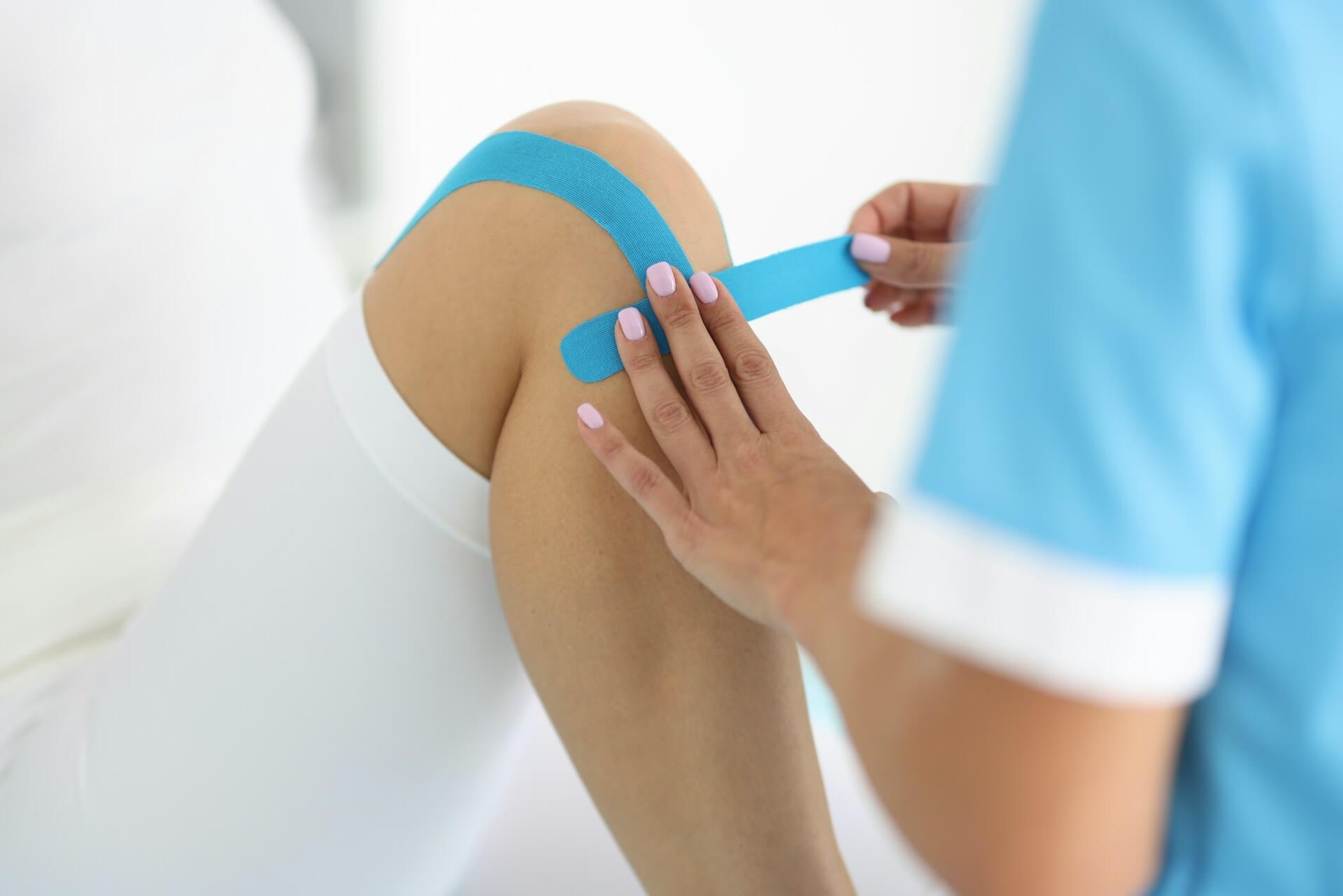
Knee pain isn’t fun at any time of the year, but winter can make it feel a lot worse. Around Ottawa, the cold weather often leaves people saying their knees feel stiff, sore, or just achy. And when that discomfort sticks around for weeks, it’s easy to wonder what’s really going on.
Many people look for knee pain treatment in Ottawa when winter months seem to drag out old injuries or make regular movement uncomfortable. Some blame the chill in the air, but there are a few common reasons why knee pain doesn’t go away quickly once the snow hits the ground. From hidden wear and tear to small daily habits, different parts of our day can have an impact on how our knees feel during Ontario’s colder months.
We at Ottawa Health Group have supported individuals and families in the Ottawa area for more than 36 years, helping people manage joint pain and stay active across all seasons.
Let’s look at some of the reasons that knee pain tends to hang around all winter long, and what that might mean for people coping with aches that just won’t ease up.
Why Winter Can Make Knee Pain Feel Worse
When temperatures drop, many people feel it directly in their joints. Knees often react to cold weather, and there are a few reasons why that might happen:
• Cold air makes some joints feel stiffer, limiting movement or flexibility
• Muscles and tissues can tighten up when exposed to cold conditions
• Less daily movement in winter weakens muscles that support the knee
For people with older injuries or long-term joint discomfort, this likely feels familiar. We often see that staying indoors during snowstorms or icy weeks means longer periods of sitting and fewer walks. That lack of movement may cause other areas to stiffen up or put more strain on the knees.
Slips and small accidents are another big concern. A quick slip on a hidden patch of ice might seem minor at first, but sometimes it jars the knee in a way that causes discomfort lasting far longer than expected. Even falls that don’t leave a bruise can affect the joint or surrounding muscles.
Old Injuries That Flare Up in Cold Weather
Knee injuries are common, especially in people who played sports or had a fall at some point in their life. Winter can increase discomfort from those old injuries, even if they seemed fully healed.
Some examples of familiar winter flare-ups include:
• Older sprains or ligament strains that never quite returned to full strength
• Past tears in the meniscus or cartilage that become more noticeable when walking on icy or uneven ground
• Arthritis in the knee joint from past injuries or wear over time
At our clinic, hip, knee, and leg pain related to sports injuries, motor vehicle accidents, or long-term conditions is a frequent reason people seek care.
Scar tissue left behind after an injury might not hurt during warmer months but can feel tight or limiting once the cold hits. Inflammation around these areas can cause aching or swelling, depending on how hard the joint is working in winter conditions. Shovelling snow, walking in heavy boots, or carrying groceries on slippery surfaces may stress these spots more than anyone realizes.
Sudden shifts in temperature, such as going from warm indoor air to freezing outdoor wind, may cause fluid in the joints to move differently. That pressure change can sometimes trigger discomfort in people still recovering from older knee problems.
Everyday Winter Habits That Add to Knee Discomfort
Winter tends to change people’s routines. These small shifts may lead to more serious aches in the knees without being obvious at first.
Some daily patterns that might play a role in knee pain include:
• Climbing more stairs indoors while trying to avoid slick sidewalks
• Walking much less during winter, which reduces muscle activity
• Wearing boots without much support, changing foot position and putting different stress on the knees
• Lifting or shovelling heavy snow without warming up properly
When our leg muscles aren’t used as often, the support around the knee joint decreases. That can make it harder for the joint to handle day-to-day tasks, especially when moving quickly, carrying bags, or bending to put on winter layers.
Footwear makes a big difference too. Many winter boots focus on warmth or grip, but not all offer solid arch or ankle support. When feet don’t land properly on the ground, the knees end up absorbing more of the pressure.
Then there’s snow. Lifting shovelfuls of heavy snow, hunching forward, or twisting while carrying bags to prevent slipping can all press the knees into awkward positions. These small stressors add up during snow-heavy months.
When Ongoing Pain Might Need Extra Attention
It’s easy to assume that some winter knee pain is normal, but discomfort that lingers for weeks may need a closer look. Not all pain is just seasonal stiffness, especially if it keeps getting in the way of regular tasks.
Here are a few signs that the pain may be a bit more serious:
• You’ve had swelling or tightness that doesn’t ease up with rest
• Your knee feels weak, unstable, or makes clicking or popping sounds
• Jobs that used to feel fine are now harder on your legs
If those signs sound familiar, it may be time to take things beyond heat packs or rest days. Getting support through knee pain treatment in Ottawa can be one way to better understand what’s going on beneath the surface. Physiotherapy services at Ottawa Health Group are currently offered at our downtown Ottawa location and focus on pain relief, restoring mobility, and rebuilding strength, which can support recovery when winter knee pain makes movement difficult. Sometimes pain lingers for reasons we can’t see, such as misalignment, early wear in the joint, or muscle tightness in nearby spots like the hips or ankles.
A Better Winter Starts With Fewer Aches
Cold months in Ottawa often bring out the worst in old injuries or make it harder to stay mobile. But figuring out why knee pain won’t go away can help calm the cycle of sore walks and stiff mornings.
By picking up on habits that add extra pressure, checking in on how long pain lasts, and paying attention to how winter affects the body, we can take smart steps toward feeling stronger. Knowing the signs of when to get help helps people stay ahead of injuries, even when the sidewalks are icy and the snow keeps falling.
Experiencing knee discomfort this winter might indicate it’s time to investigate the cause behind the pain. Long-lasting aches, stiffness, or trouble with movement may not ease on their own when cold weather adds extra strain in Ottawa. At Ottawa Health Group, we understand how disruptive persistent pain can be during a snowy season. To discover how we can help you move more freely, explore our approach to knee pain treatment in Ottawa. For further questions or to speak with a specialist, contact us today.