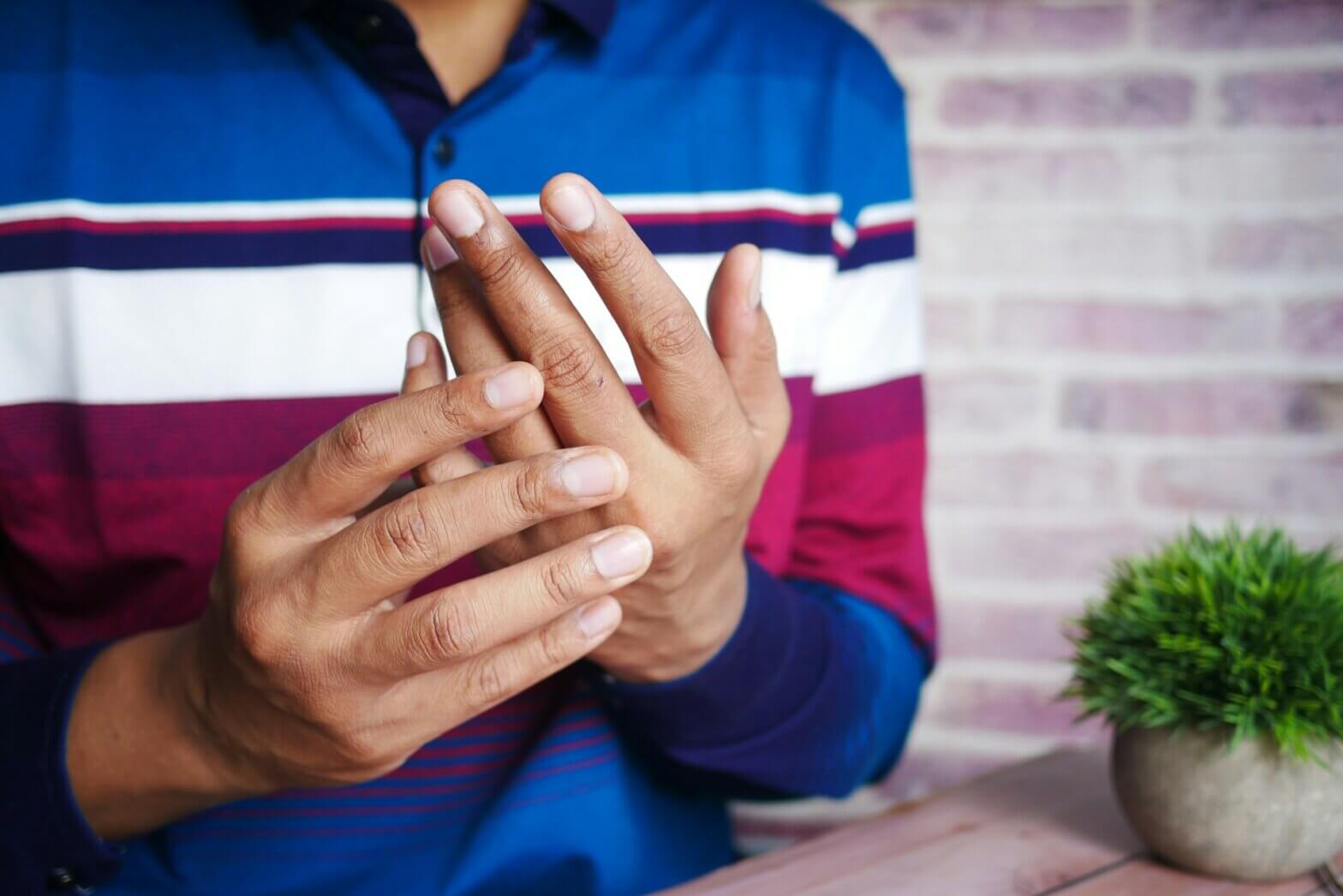

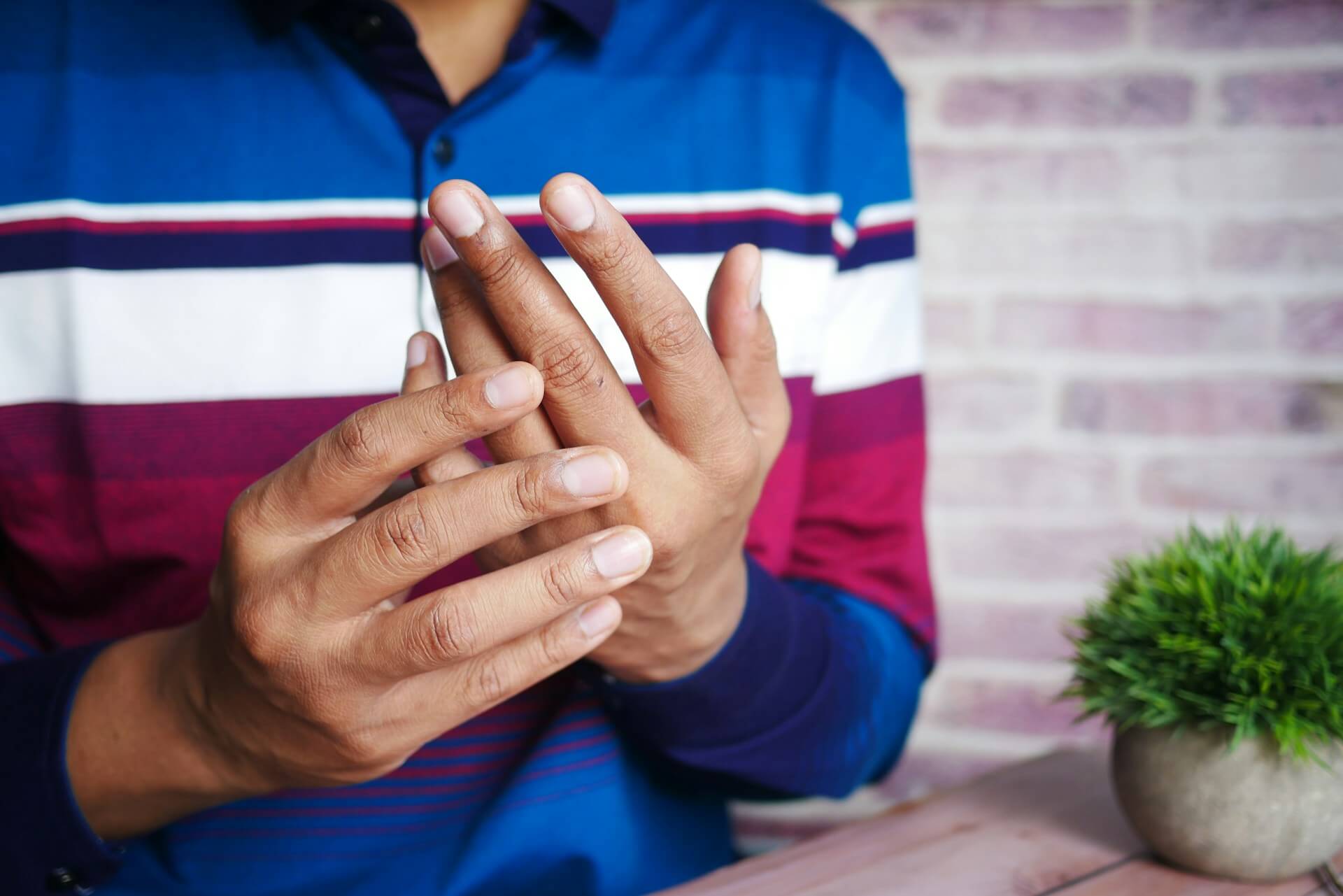
It’s easy to think a sore wrist or tender elbow is just from doing a little too much. Maybe you lifted groceries wrong or twisted your hand reaching into the backseat. Most of us brush it off and expect it to go away. But not all pain is a simple sprain.
We use our hands, wrists, and elbows every day. From making coffee on a cold morning to shoveling snow or tapping away at keyboards, these joints hardly get a rest. That’s especially true in late March when cabin fever starts to fade and people get more active again. If you’re hoping for elbow, wrist, and hand pain relief but the ache keeps coming back, there might be more to it than you first thought. At Ottawa Health Group, ongoing pain in these areas is often connected to conditions such as arthritis, tennis or golfer’s elbow, carpal tunnel syndrome, cubital tunnel syndrome, elbow bursitis, or lingering strains and sprains that did not fully settle.
When Pain Lasts Longer Than Expected
A sprain usually feels better within days or weeks. When pain sticks around, though, you might start to wonder what’s really going on. It can be frustrating, especially if you didn’t do anything major to hurt yourself.
Think about small, repeated movements most of us do without much thought. Finishing a winter clean-out, reorganizing closets, lifting plants, or using tools to start spring DIY projects can all aggravate these joints. Even scraping ice off the windshield can leave a lasting impact if done too often or without proper movement.
If discomfort spreads up or down the arm or worsens when doing daily tasks, that could mean the joint isn’t healing as expected. Pain that flares with motion, not just at the site of original strain, may need a second look.
Common Missteps That Can Delay Recovery
We get it, no one wants to be slowed down by an aching wrist or elbow. But pushing through pain leads to more setbacks than progress. That is one of the mistakes we see most often.
There is a pattern that happens in late winter. People are tired of being indoors. They get outside on one of those sudden warm days and try to do too much too quickly. If they are not stretching or being mindful of how they move, these areas can take the hit. Hands gripping tools, elbows swinging shovels, or wrists supporting quick bursts of action all get stressed without much notice.
Another problem is taking a break and thinking that rest alone will fix things. While easing off is helpful, it rarely solves the bigger issue if there is an underlying strain on the joint or poor movement habits at play. Rest can help calm things down, but it will not always guide the body back to moving well.
Other Areas of the Body May Be Playing a Role
If your wrist or elbow hurts but you do not remember doing anything to hurt it directly, the reason could be somewhere else. Our bodies work as one connected system, and tension in one spot can easily shift to another.
Shoulders that stay raised from cold-weather tension or long days at a desk can affect the whole arm. The neck also plays a big role. If it is stiff or misaligned, the nerves and muscles running down to the hands can feel off. The same goes for posture. Slouching over a laptop, slumping in the car, or holding kids awkwardly at the end of a long day can all lead to issues in the lower arms, even if those areas were not injured directly.
When we look at elbow, wrist, and hand pain relief, we need to think about how every part of the body supports movement and flexibility. If one part is not working well, others pick up the slack, sometimes in ways that cause more harm than good. At Ottawa Health Group, treatment for these concerns can include chiropractic care, massage therapy, and physiotherapy, with the aim of easing pain, improving joint motion, and strengthening the muscles that support your elbows, wrists, and hands.
What to Watch For and When to Ask for Help
Some warning signs are easy to spot, while others sneak up over time. If any of the following show up, it is a good idea not to wait:
- Tingling or a pins and needles feeling in the fingers
- Weak grip or trouble picking up everyday objects like a mug or phone
- Pain that wakes you up or gets worse with movement
- Symptoms returning even after brief rest periods
These signs make simple tasks harder and more frustrating. Whether it is trouble turning doorknobs, making dinner, or brushing your hair, they get in the way. That is when we suggest getting expert advice. It is not about chasing pain; it is more about understanding what is behind it and learning better ways to move, stretch, and heal.
Finding Comfort in Everyday Movement
Sometimes pain is not caused by a slip or a fall. It builds slowly over time without any big warning. That is what makes it tricky. We go days or even weeks brushing it off until one morning, snapping open a jar lid or carrying a light bag feels off.
One of the best ways to stay ahead of pain is paying attention to the way our bodies move during regular routines. If something always feels stiff at the same time of day or during the same activity, that might be a clue. Positioning during walks, sitting at a desk, and lifting bags can all add quiet pressure over time.
Making small shifts helps. Choosing better ways to sit, adjusting how we carry heavier loads, or asking for guidance when something does not feel right can all lead to steadier days ahead. It does not have to be perfect. But getting the right kind of support or staying aware of movement patterns gives us a better chance at comfortable, strong hands and arms that keep up with life.
At Ottawa Health Group, we understand how frustrating it can be when joint pain interrupts your normal rhythm, especially when it does not seem to come from a clear injury. Noticing that small movements are becoming more challenging or that you are not bouncing back as expected may signal that there is more going on than a one-time strain. Paying closer attention to how your body feels during everyday tasks can make a significant difference. To understand what might be causing your discomfort, read more about our elbow, wrist, and hand pain relief and feel free to contact us to discuss your situation further.